
News
Why Travel Agents Fear the EU's Entry/Exit System Could Be Delayed Again
View from an airplane window overlooking the tarmac at Richmond Airport, BC, Canada.
Article content
Why Travel Agents Fear the EU's Entry/Exit System Could Be Delayed Again
After years of postponements, the EU's Entry/Exit System (EES) was expected to come into force in the autumn of 2024. Under it, British and other 'third-country' holidaymakers would register their arrival and departure from EU and Schengen countries by having a photo and fingerprints taken at passport control, replacing the manual stamp. But with launch dates still unconfirmed, many in the travel industry remained uncertain — and some openly doubted whether the scheme would go ahead on schedule.
 Photo by Doug Brown on Pexels
Confusion over the launch date
Several major travel agents said they had not received official guidance on the scheme, while the trade association ABTA had already published tips for booking a holiday under the new rules. Despite reports of a 5 October 2024 start, ABTA stressed that exact launch dates for both EES and ETIAS had not been confirmed.
That uncertainty bred scepticism. "We are giving no advice at all as we are waiting to see if the scheme actually goes ahead," said Noel Josephides, chairman of UK travel agent Sunvil. He argued that more bureaucracy would be bad for travel freedoms and likely to put people off trips to Europe, suggesting the timing of the delays — around the Paris Olympics — was itself telling.
Ports, ferries and trains brace for impact
Concerns were sharpest at sea and rail crossings. P&O Ferries had warned that the EES process, designed for pedestrian passengers passing through an airport, was "fundamentally unsuited for a port environment." Its European operations director Jack Steer wrote to the UK Parliament that, with the Port of Dover unable to separate passenger and freight traffic, "serious disruption" would be hard to avoid.
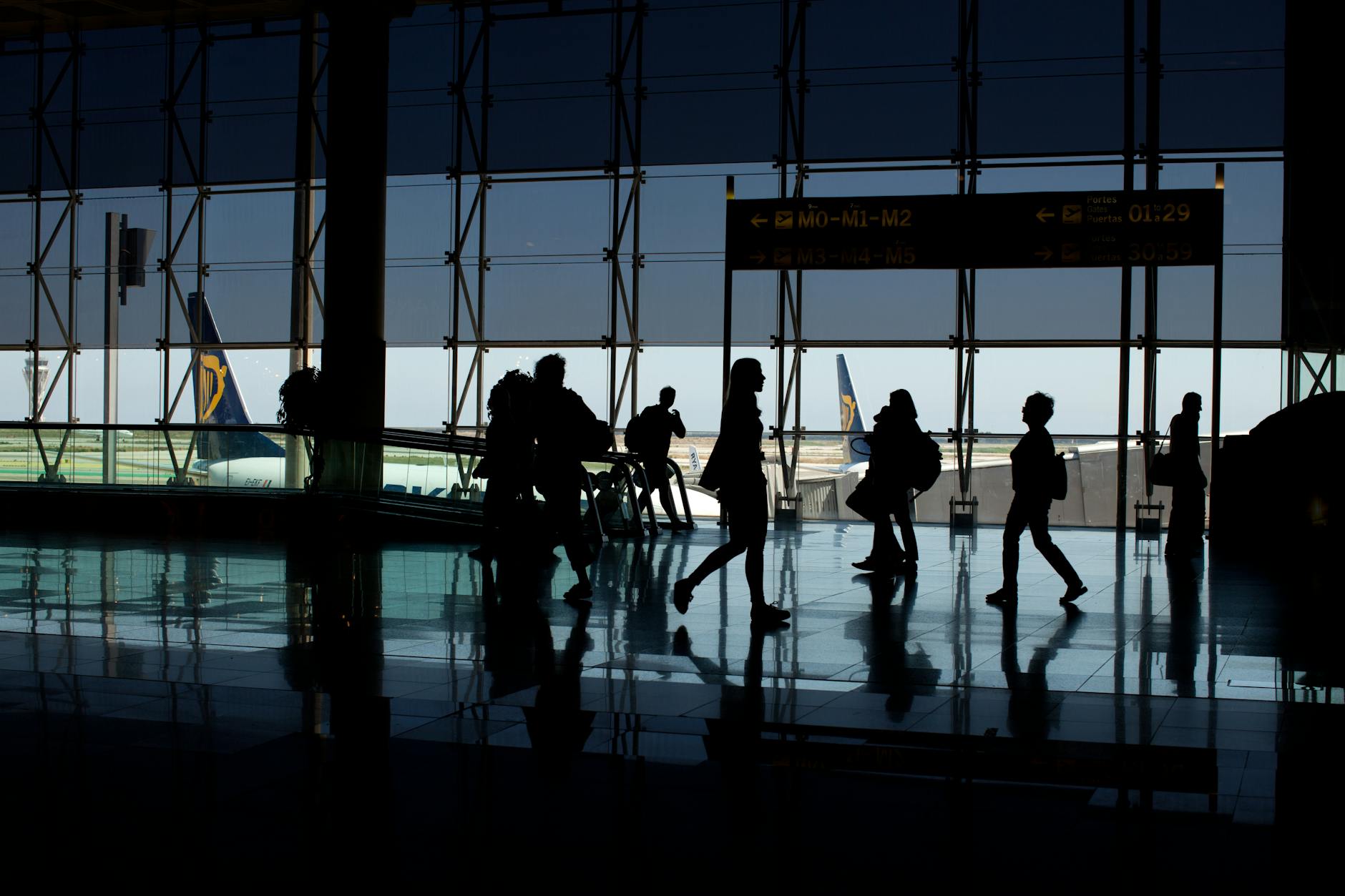 Photo by Ekaterina Belinskaya on Pexels
For flights, EES checks would generally be completed on arrival at the destination. But for ferries from Dover and for international trains, they would take place at UK passport control before departure, because of the dual British-French border at those locations. Eurostar said it was investing around €10 million to expand its St Pancras base and roughly double the number of kiosks and staff; on a first journey, travellers would register their passport, facial image and fingerprints and answer four questions, with facial recognition and the same questions on later trips.
With awareness among the public still low, many travellers were expected to lean on agents for guidance once the rules finally took effect. For a plain-language summary of how EES and ETIAS work together, see our ETIAS overview.
Tags:
Source:
Image Sources:
- Header image: Photo by Doug Brown on Pexels
- Teaser image: Photo by Ekaterina Belinskaya on Pexels