
News
Is the EU's Entry/Exit System Delayed Again? What Travellers Need to Know
Close-up of European passports from Portugal and Austria on a world map.
Article content
Is the EU's Entry/Exit System Delayed Again? What Travellers Need to Know
The European Union's long-awaited Entry/Exit System (EES) is meant to go live on 10 November, replacing manual passport stamping with an automated, biometric record of who crosses the bloc's external borders. But the launch has slipped before, and fresh reports suggest it could slip again.
For travellers from the United Kingdom and other non-EU countries, the change is significant. The first time you cross an external Schengen border after the system starts, you will register your details at a self-service kiosk rather than have your passport stamped by hand. Understanding what is coming, and when, helps you prepare for what could be a bumpy transition.
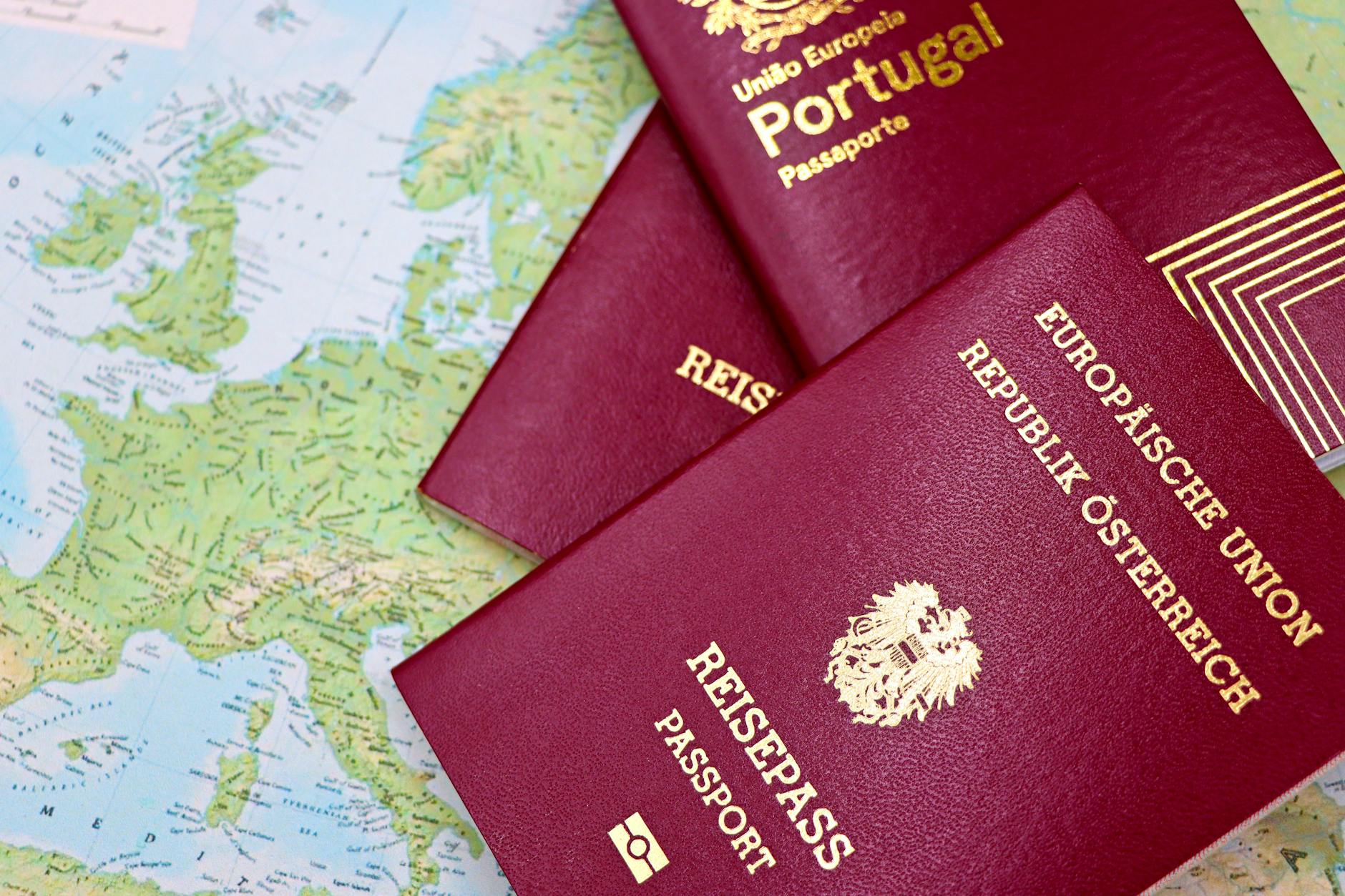 Photo by Marta Branco on Pexels
Will the EES launch on time?
In August, the then EU Home Affairs Commissioner Ylva Johansson confirmed the 10 November date during a visit to the Tallinn-based agency eu-LISA, which is building the system. "The moment is finally there," she said. "It's going to happen. We're in the final testing phase." Her words were meant to draw a line under years of uncertainty: the EES was first slated for 2022 and has faced repeated setbacks, from IT problems to the practical challenge of installing automated barriers at every land, sea and air border in the Schengen area.
Yet doubts have resurfaced. A report in the Guardian suggested further delays were likely after three countries — Germany, France and the Netherlands — indicated they were not ready, citing a lack of onsite trials. The EU border agency Frontex declined to comment. With so much hardware and software still being tested across dozens of crossings, even officials who back the November date acknowledge the timetable is tight.
Who needs the EES and how it works
The EES applies to non-EU travellers who do not need a visa to enter the bloc, including most British passport holders. It does not apply to EU citizens, legal residents, or people holding long-stay visas. Each time you cross an external border, you will scan your passport or travel document at a self-service kiosk, which records your name, biometric data, and the date and place of your entry and exit.
Facial scans and fingerprints are captured and refreshed every three years, so once you are registered the data covers multiple trips. The system applies across all EU states except Cyprus and Ireland, plus the non-EU Schengen members Iceland, Liechtenstein, Norway and Switzerland. Its purpose is to tighten border security and make it easier to identify people who overstay the 90-days-in-180 limit, while also countering irregular migration and making fraudulent passports harder to use.
 Photo by Christian Wiediger on Unsplash
Queues, the soft launch and ETIAS
The biggest practical worry is delay at the border, especially in the first weeks. French authorities run EES checks on UK soil at the Port of Dover, Eurostar terminals and the Eurotunnel, and say they are working to keep disruption to a minimum, though there have been warnings of long queues for Dover-to-Calais ferries. UK transport minister Guy Opperman has pointed to a planned "six-month soft launch", with precautionary flexibility measures so that registration can be eased if queues build up.
Roughly six months after the EES is up and running, the EU plans to introduce ETIAS, a separate scheme that is often confused with it. While the EES monitors who crosses the border, ETIAS requires visa-exempt non-EU citizens to obtain a travel authorisation in advance. Originally due in November 2023 and now expected in 2025, possibly in phases, it will be applied for online before travel, cost around €7, be linked to your passport and remain valid for three years. Our overview of the new EU entry rules explains how the two systems fit together.
Tags:
Source:
Image Sources:
- Header image: Photo by Marta Branco on Pexels
- Teaser image: Photo by Christian Wiediger on Unsplash