
News
New UK Travel Rules for Dual Citizens: What Changed and How to Stay Compliant
Travelers board a Ryanair plane at sunset in Porto, capturing the essence of budget travel.
Article content
New UK Travel Rules for Dual Citizens: What Changed and How to Stay Compliant
‘Prove you are British or you can't come in.’ That, in blunt terms, is the situation now facing people who hold citizenship of both the UK and another country. An estimated 1.2 million British citizens live abroad with dual nationality and a passport issued by their country of residence — and the rules for using those documents to enter the UK have tightened.
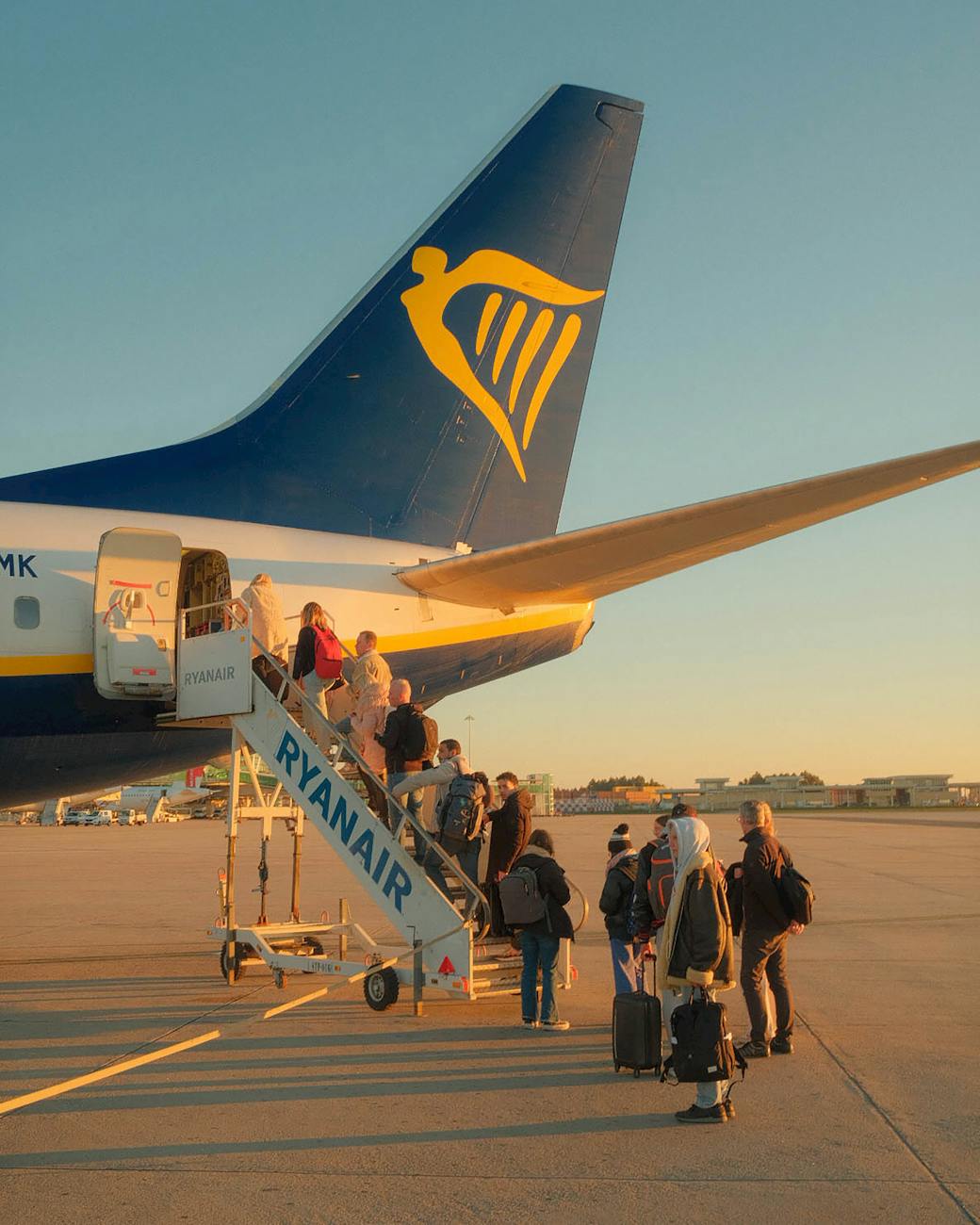 Photo by Jérémy Glineur on Pexels
What has changed
Until 25 February 2026, British dual nationals could enter and exit the UK using their foreign passport. That option has now ended. The Home Office says British people who are also citizens of another country must travel to the UK using a valid British passport, a valid Irish passport, or another valid passport carrying a ‘certificate of entitlement’.
The change is tied to the UK's Electronic Travel Authorisation (ETA), the online permit required of most visa-free visitors. While the ETA has technically been required since 2 April 2025, full enforcement began only on 25 February 2026. Crucially, the government states you cannot obtain an ETA if you are a British or Irish dual citizen — leaving those who hold only a foreign passport without a straightforward way to show they are entitled to enter.
The practical options
The most affordable route is to obtain a British passport, priced at £94.50, with renewals often completed within weeks (though applications from abroad take longer). An alternative is a ‘certificate of entitlement’ attached to a foreign passport, which costs £589.
 Photo by Anna Shvets on Pexels
At the eleventh hour, the Home Office said airlines may, at their discretion, accept an expired British passport issued any time since 1989 alongside a valid foreign passport, provided the biographical details match exactly. Several carriers — including British Airways, easyJet, Lufthansa, Qantas, United and Virgin Atlantic — have confirmed they will accept that combination, while others assess passengers case by case. An emergency travel document, costing £125 and valid for a single trip, is another fallback.
A workaround and the Irish advantage
There is also the so-called ‘Dublin Dodge'. A dual national with an EU or Schengen passport can travel freely to the Republic of Ireland, then cross into Northern Ireland under the Common Travel Area — no frontier checks apply south of the border — before continuing to the rest of the UK. On the return journey, travellers simply use their foreign passport.
The most fortunate travellers remain those with an Irish passport, who can move freely between the UK, the EU and the wider Schengen area with no need for an ETA now, or for the EU's ETIAS permit in future. For everyone else, the message is simple: carry proof of your British citizenship, and check your airline's policy before you fly.
Tags:
Source:
Image Sources:
- Header image: Photo by Jérémy Glineur on Pexels
- Teaser image: Photo by Anna Shvets on Pexels