
News
Airlines Oppose Proposed UK ETA Price Hike
A woman arranging clothes and accessories into a suitcase, preparing for travel.
Article content
Airlines Oppose Proposed UK ETA Price Hike
The International Air Transport Association (IATA) has publicly opposed a UK Home Office proposal to raise the cost of the UK Electronic Travel Authorisation (ETA) by 60%, from £10 to £16. The objection, set out by IATA on 17 January 2025, came only a week after the wider ETA system had been introduced, and the airline body argued the timing made the move especially hard to justify.
 Photo by Timur Weber on Pexels
What IATA opposes
IATA's Director General, Willie Walsh, described the proposal as bewildering, warning that it would be a "self-inflicted blow to the UK's tourism competitiveness." He pointed out that, only two months earlier in November, the government had set out plans to increase tourist arrivals by 30% to reach 50 million a year by 2030. Raising the ETA price by 60% so soon after launch, he argued, was a poor start toward that goal.
Walsh also noted that the added cost would sit on top of Air Passenger Duty (APD), which he called the biggest travel tax in the world and which was itself due to rise again in April. The concern is that stacking charges on visitors before they even arrive risks discouraging the very travellers the UK is trying to attract.
How ETIAS compares
A central part of IATA's argument was that travellers have choice, and that the European Union's forthcoming ETIAS would offer far better value. According to IATA, ETIAS would cost about a third as much as the proposed UK pricing and would last a year longer, making the UK look comparatively expensive for a similar pre-travel authorisation.
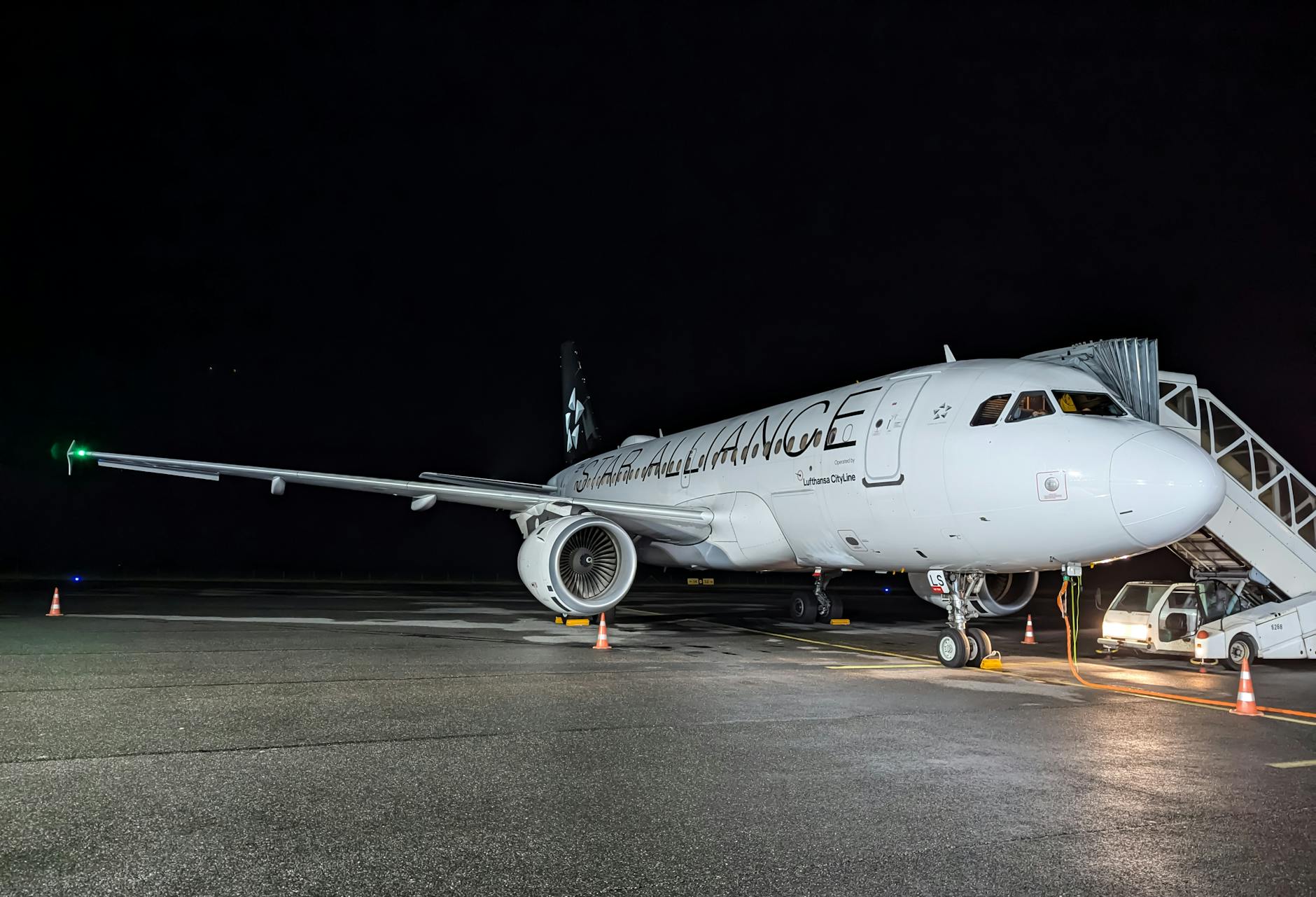 Photo by Joerg Mangelsen on Pexels
Travellers weighing up whether they need one of these authorisations can check the ETIAS eligibility rules to see how the European scheme works and who it applies to.
The wider economic stakes
IATA framed the dispute as bigger than a single fee. It urged the UK government to see the broader picture, arguing that making the country a more cost-competitive destination would generate substantial tax revenues from the travellers it attracts. Discouraging visitors with high costs before they set foot in the country, the association said, makes little economic sense.
To underline the stakes, IATA cited that UK aviation and tourism support around 1.6 million jobs and contribute roughly USD 160.7 billion to the country's GDP. Against that backdrop, the body argued, even modest-sounding fee increases deserve careful scrutiny.
Tags:
Source:
Image Sources:
- Header image: Photo by Timur Weber on Pexels
- Teaser image: Photo by Joerg Mangelsen on Pexels