
News
Brexit and European Travel: What Actually Changed for UK Travellers
white and gray airplane wing during daytime
Article content
Brexit and European Travel: What Actually Changed for UK Travellers
Three years after the United Kingdom formally left the European Union, the day-to-day reality of travelling to Europe looks very different from the seamless picture once painted by campaigners. The UK left the EU at 11pm GMT on 31 January 2020, although the practical changes only took full effect once the transition period ended at the close of that year. Since then, British travellers have had to adjust to a new status: they are now treated as third-country nationals when they cross into the EU and the wider Schengen Area.
This article looks at the areas where the experience has shifted most noticeably, comparing what was promised with what travellers have actually encountered.
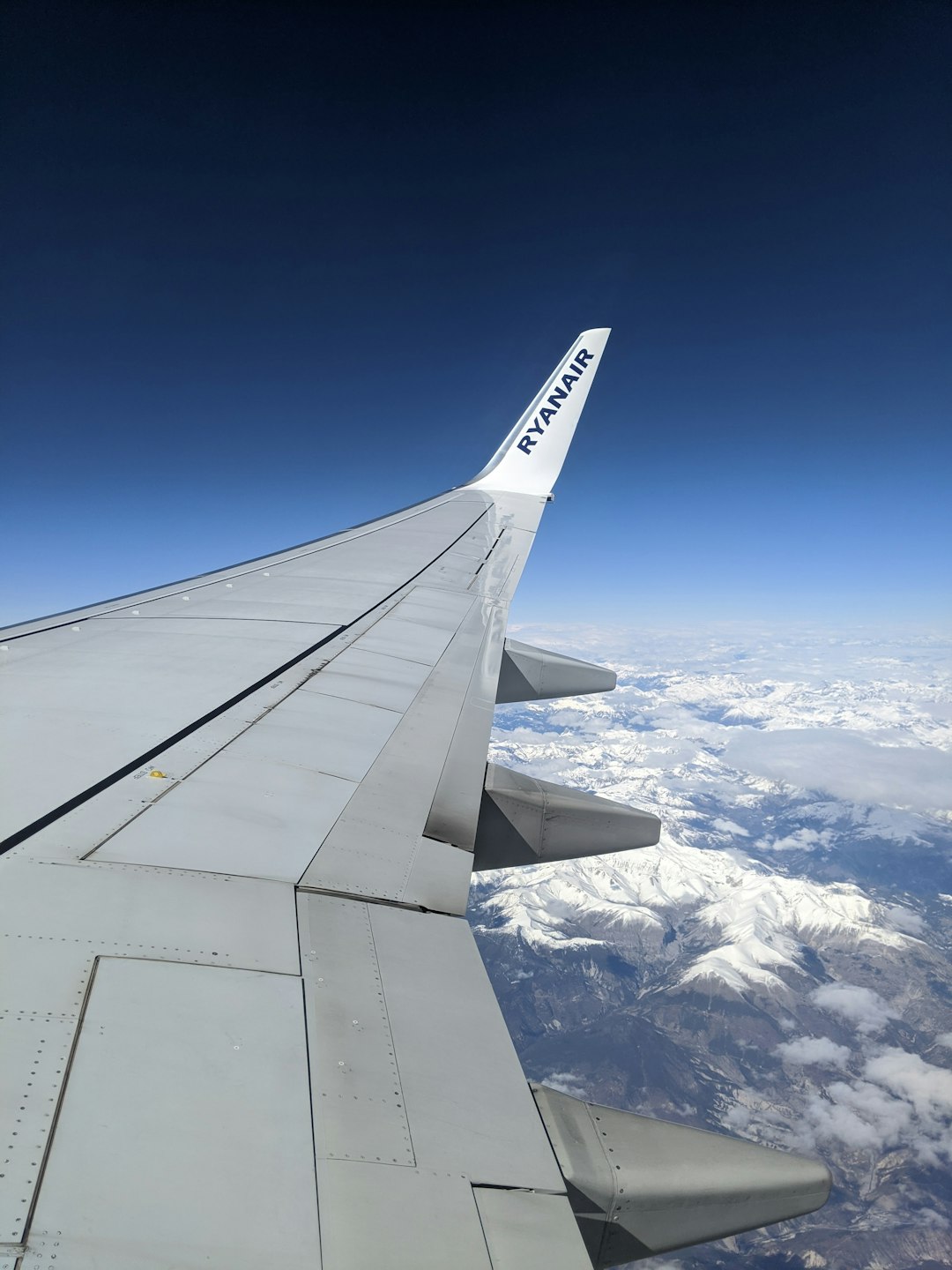 Photo by Andrew Danilov on Unsplash
Passports, stamps and the 90/180-day limit
The most visible change happens at the border. British passport holders now queue in the lane reserved for non-EU travellers, where passports are stamped on entry and exit rather than waved through. More importantly, UK visitors can no longer spend unlimited time in the bloc: without a specific visa or residence permit, they may stay no more than 90 days in any rolling 180-day period across the European Union and the broader Schengen Area.
That limit applies to the region as a whole, not to each country individually, which catches out second-home owners and long-stay holidaymakers in particular. Living, working, studying or retiring in an EU country is still possible, but it now requires the appropriate national visa rather than the automatic right that came with EU membership.
Rail, airlines and healthcare cover
The knock-on effects reach well beyond the passport desk. On the railways, Eurostar trimmed a number of daily services between London, Brussels and Paris and capped passenger numbers on busy departures, partly because of the extra checks now required for non-EU travellers. Direct trains to Disneyland Paris were wound down, and the international stations in Kent at Ebbsfleet and Ashford stayed shut.
In aviation, UK pilot licences lost some of their value, with carriers restructuring their operations across the Channel: easyJet set up a European arm in Vienna while Ryanair created a UK subsidiary. Healthcare cover also changed shape. The UK Global Health Insurance Card (GHIC) replaced the older European Health Insurance Card (EHIC) and remains valid in the EU and Switzerland, but it does not cover several non-EU Schengen nations such as Norway, Iceland and Liechtenstein.
 Photo by Download a pic Donate a buck! ^ on Pexels
Roaming, tourism and what comes next
Mobile roaming is another area where the picture shifted. Surcharge-free roaming across the EU was guaranteed under EU rules; since then several UK networks have reintroduced daily charges of around £2, although a few operators still include European roaming at no extra cost. Inbound tourism took a hit too, after the UK began requiring a full passport from EU visitors rather than the national identity cards many of them carry, a change the inbound travel sector said had hurt school and student groups in particular.
Looking ahead, more change is on the way. According to the plan as it stood in early 2023, British travellers would in due course need to register in advance through the EU's ETIAS travel authorisation scheme and provide fingerprints and a facial biometric on entry and exit under the Entry/Exit System, though the timetable was expected to move. Travellers planning trips should keep an eye on the rules; a clear starting point is this overview of how ETIAS will work.
Tags:
Source:
Image Sources:
- Header image: Photo by Andrew Danilov on Unsplash
- Teaser image: Photo by Download a pic Donate a buck! ^ on Pexels