
News
Getting Ready for Europe's New Border Systems: How Airlines Prepared for EES and ETIAS
A commercial jet from JetOneX captured in flight, highlighting aviation travel.
Article content
Getting Ready for Europe's New Border Systems: How Airlines Prepared for EES and ETIAS
Over many years, the European Union has been preparing to introduce two new border-management IT systems: the Entry/Exit System (EES) and the European Travel Information and Authorisation System (ETIAS). Both are designed to streamline the electronic administration of non-EU travellers, and together they represent a major change for the aviation industry as well as for passengers.
As of early 2024, the timeline pointed to EES rolling out across 29 European countries in the third quarter of 2024, followed by ETIAS, covering 30 countries, in the second quarter of 2025. As with any large IT programme, those dates would later move, but the direction of travel was clear.
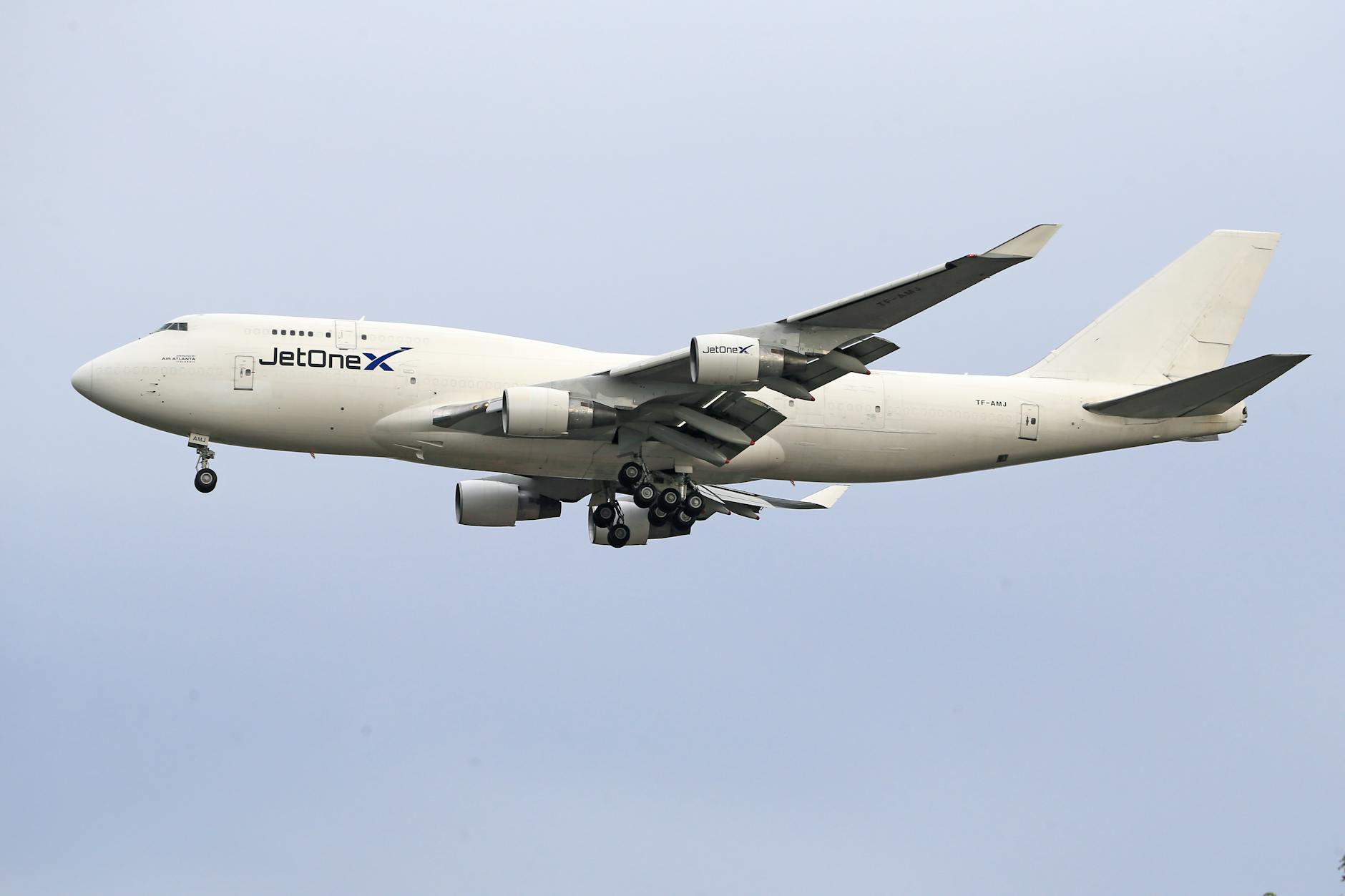 Photo by Jeffry Surianto on Pexels
What the two systems do
EES records the entry and exit times and locations of non-EU nationals, calculates their authorised stay and flags overstayers or refused entries. Once operational, it replaces the manual stamping of passports, aiming to improve security by pre-screening visitors while adding new steps for travellers who previously enjoyed simple visa-free access.
ETIAS, meanwhile, requires visa-exempt non-EU nationals — such as visitors from the US and Canada — to obtain a travel authorisation before they arrive, valid for three years. It is similar in spirit to the United States' ESTA and Canada's eTA, and is intended to pre-assess travellers for security and migration risks before departure.
Why it mattered for airlines
Because European countries play such a large role in global air traffic, the introduction of EES and ETIAS meant a significant operational change for carriers. In the longer term, the industry expected benefits such as interactive checks that remove the need to inspect visa stickers manually. In the early phase, however, EES coverage was not comprehensive: only travellers holding single or double-entry short-stay visas fell within scope, while many common passenger groups — multiple-entry visa holders, residence-permit holders, transit passengers and others — sat outside it, requiring alternative verification.
Airlines also faced practical questions about the system's responses. An EES query could return an OK, NA or NOK result, and those answers were not always granular enough to act on with confidence, meaning manual checks would still be needed in many cases. ETIAS added further complexity with a transition period — during which the system simply returned an OK to eligible travellers — followed by a grace period exempting some first-time entries, so carriers had to keep applying existing document checks alongside the new ones.
What it means for travellers
For passengers, the practical takeaway from this preparation phase is that the new systems formalise steps that used to be invisible. EES will be completed at the border, while ETIAS must be obtained online before travel. Understanding the requirements in advance helps avoid surprises at check-in or the gate. If your trip will fall under the new authorisation, it is worth learning how to start an ETIAS application so you are ready before you fly.
Tags:
Source:
Image Sources:
- Header image: Photo by Jeffry Surianto on Pexels
- Teaser image: Photo by Wilber Díaz on Unsplash